

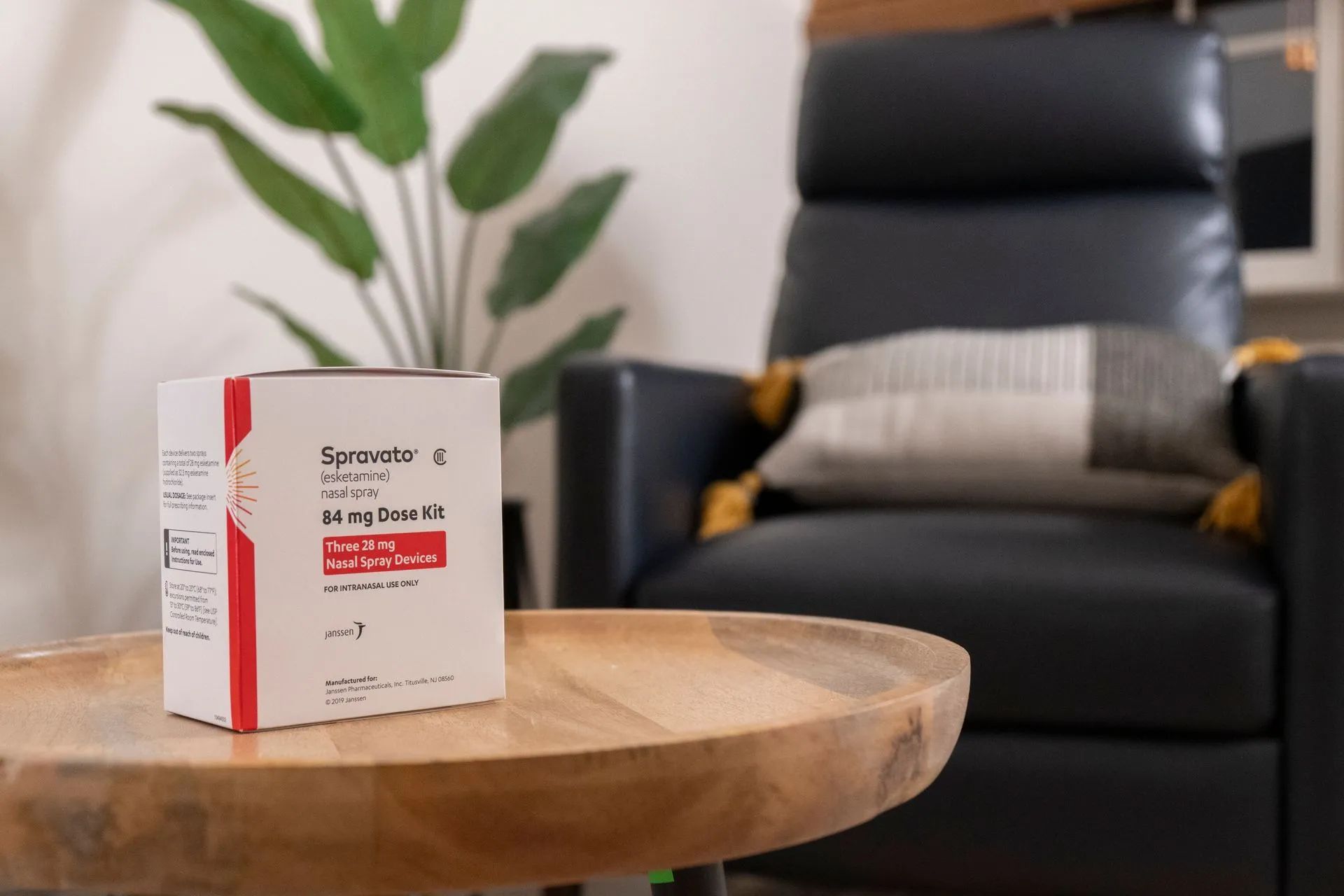
Spravato® (esketamine) is an in-clinic nasal spray for adults with treatment-resistant depression that can act quickly for some people. Because it affects perception and blood pressure in the short term, Spravato is given under clinical supervision with a required observation period after dosing. This guide walks you through the typical first visit so you arrive prepared and confident. Is Spravato right for you? Spravato is intended for adults whose depression hasn’t responded to adequate trials of antidepressant medications and psychotherapy. Your clinician will review your treatment history and current medical status to determine candidacy. If you’re considering Spravato, Redbud offers a free 20-minute clinician consult to review fit and logistics. The Visit 1. Pre-visit screening & evaluation Before your first dose, you’ll have an evaluation with a clinician to confirm Spravato is appropriate and safe. This includes: A psychiatric review (symptom history, previous treatments). Medical screening (blood pressure, cardiovascular history, current medications, pregnancy status, substance use). Discussion of risks, benefits, and the observation and driving restrictions that follow dosing. Redbud runs benefits checks and discusses likely costs before you book, if insurance may apply. 2. Arrival & baseline checks On the day of dosing, you’ll check in, present ID/insurance if applicable, and the team will take baseline vitals (especially blood pressure) and confirm you’re ready for dosing. 3. Dosing - supervised nasal administration Spravato is given as a nasal spray in the clinic and administered under clinician supervision. The clinician will walk you through how the spray is used and will supervise the dosing session. Short-term effects (dissociation, dizziness, nausea, sleepiness) can occur during and shortly after dosing - staff stay with you and monitor your condition. 4. Post-dose observation (required) After dosing, you’ll stay in the clinic for a monitored observation period. Clinicians will check your vitals and ensure you’re medically stable before discharge. Because of potential acute effects, you will NOT be allowed to drive the same day ; you must arrange a responsible adult to accompany you home.
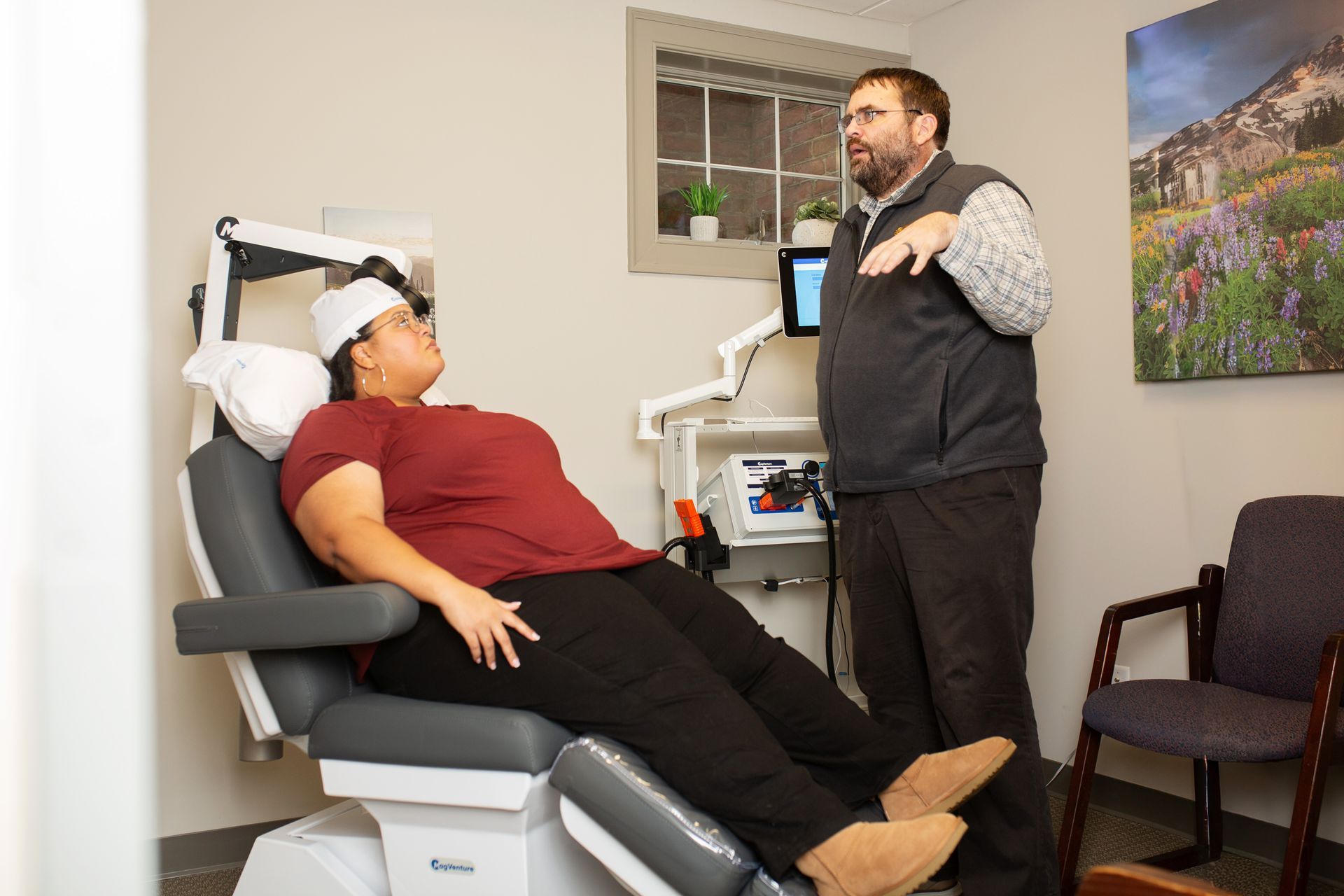
When someone has depression that isn’t adequately helped by one treatment, clinicians choose among evidence-based options based on the person’s history, safety, goals, and logistics. At Redbud, we commonly consider three high-value pathways: Transcranial Magnetic Stimulation (TMS) , Spravato® (esketamine) , and advanced medication strategies . Below is a clear, practical comparison to help patients and families understand how these options differ and how they may be combined. Quick Snapshot Medications - oral or injectable agents prescribed and monitored over weeks to months. Widely accessible and often covered by insurance; good first-line or augmentation option, but may require multiple trials. Spravato (esketamine) - an in-clinic nasal spray that can produce rapid antidepressant effects (hours–days) for treatment-resistant depression; requires supervised dosing and same-day observation. Coverage varies by plan. TMS (standard & accelerated) - non-invasive brain stimulation delivered in the clinic. Standard TMS is typically given daily over several weeks (insurance often covers when criteria are met); accelerated protocols compress treatments (5-day, 1-day, or a new flexible 6 half-day option) for patients who need faster calendar responses, but usually on a self-pay basis. When each option is appropriate Medication management Appropriate for: Most patients as first-line treatment or as ongoing maintenance. Also used as an augmentation when a partial response occurs. Especially useful for people who prefer oral therapy, have good tolerability, and for whom insurance coverage is essential. Consider advanced medications (e.g., lithium or MAOIs) for treatment-resistant cases when safer, well-monitored options are needed - Redbud emphasizes careful monitoring and evidence-based choice. Spravato (esketamine) Appropriate for: Adults with treatment-resistant depression who have not improved with adequate medication and psychotherapy trials and who require more rapid symptom relief. It’s delivered in a clinic, under supervision, and can be lifesaving for people with severe symptoms. Because it is administered in-clinic with required observation and same-day driving restrictions, candidacy and logistics are important. Learn More: Spravato TMS (standard & accelerated) Appropriate for: People with major depressive disorder who have not achieved adequate benefit from medications and/or psychotherapy, or those who prefer a non-systemic (non-drug) approach. Standard TMS is a strong option when insurance coverage is needed; accelerated options suit patients who need a faster calendar treatment (travel or life constraints). Redbud offers standard TMS plus accelerated choices (one-day, 5-day, and a flexible 6 half-day protocol) and screens candidacy carefully.
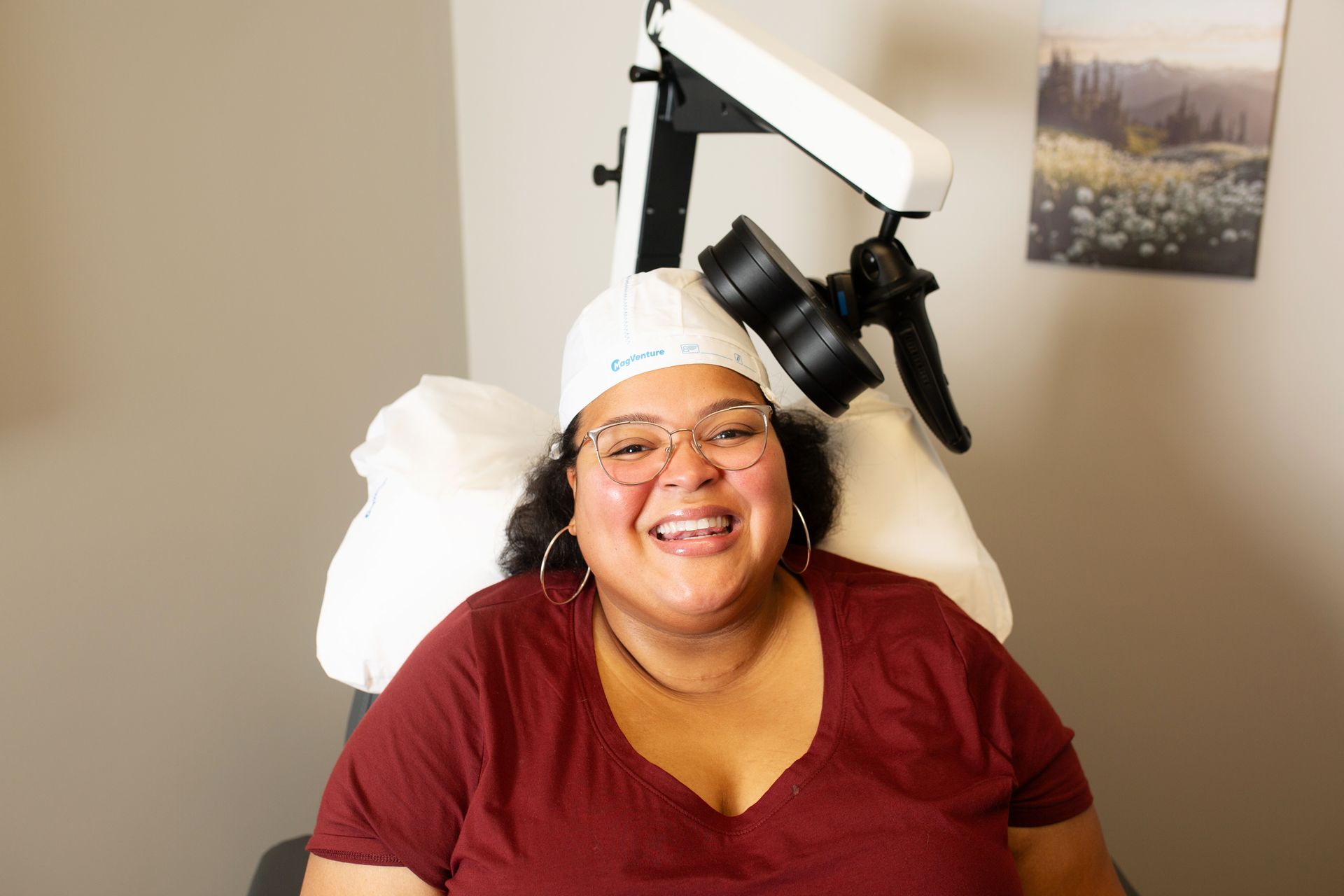
One-day TMS is an ultra-accelerated form of Transcranial Magnetic Stimulation that delivers a full treatment course in a single intensive day. It’s designed for select patients who need very rapid treatment and can tolerate a physically and mentally intensive protocol. It’s one of several accelerated options (alongside a 5-day block and a flexible 6 half-day protocol) that trade calendar time for treatment intensity. This article explains how one-day TMS works, who it may suit, what recovery typically looks like, and how it compares to the other accelerated choices offered at Redbud. What “One-Day” TMS Actually Means One-day TMS compresses a full or near-full therapeutic dose into a single day by delivering many short stimulation sessions spaced with rest periods. The goal is to concentrate the total dose so that the biologic effect can begin quickly. Like all TMS, one-day protocols are non-invasive (no anesthesia) and delivered with an electromagnetic coil placed against the scalp. Clinics do an initial motor mapping to identify the stimulation site and set safe stimulation intensity before a course begins. Mapping is an essential first step and is typically performed before the first treatment session. How One-day TMS is Delivered (What to Expect During the Day) The day is intensive : patients receive many short stimulation runs separated by brief rest periods. Typical programs vary, but the day can last several hours in the clinic. Patients are monitored closely throughout for tolerability and immediate side effects. Clinics will watch for headaches, scalp discomfort, and fatigue - the most commonly reported early effects. Serious adverse events are rare, but screening for seizure risk and other safety factors is routine.
Transcranial Magnetic Stimulation (TMS) is a non-invasive, medication-free option for depression (and in some cases other conditions). If you’ve decided to explore TMS, your first in-clinic visit will usually include motor mapping and the first treatment . This guide explains exactly what happens and gives a short checklist so you arrive calm, prepared, and confident. Read More Here: TMS Therapy Quick Checklist - What to Bring Photo ID and your insurance card (if you plan to use insurance). A complete list of current medications (names + doses). Any previous treatment notes or TMS summaries (if you have them). Comfortable clothing (a shirt that is easy to move around the neck/shoulders). A friend or family member’s phone number on hand in case you need a ride home or support after the visit. Arrival & Check-in You’ll check in at the clinic and be asked to confirm your medical history and medication list. The team will review safety screening questions (for example, seizure history, medical devices, or other health factors) to confirm TMS is appropriate. Clinics typically handle benefits checks and prior authorization for conventional TMS when needed, so you may also review insurance or self-pay options at this time.

Living with depression or OCD? You don’t have to do it alone If you or a loved one are facing depression or obsessive-compulsive disorder, local support falls into three practical buckets: immediate safety & crisis care, clinical & medical care, and community & peer supports. Below is clear, practical information on each - how to get help now, who to contact locally, and what to expect from specialist care. Redbud Behavioral Health is a clinician-led psychiatric practice in Fredericksburg offering psychotherapy, medication management, TMS (standard & accelerated/one-day) and in-clinic Spravato (esketamine). We emphasize shared decision-making, benefits verification and clear next steps for patients. Read More Here : Conditions We Treat Immediate safety & crisis steps (what to do right now) If someone is an immediate danger to themselves or others, call 911 or go to the nearest emergency department. If someone is in crisis but not imminently dangerous, contact a crisis line (local or national) for immediate support and guidance. If you’re unsure where to start, emergency departments and crisis services can direct you to local resources.
Quick summary Spravato (esketamine) is an in-clinic nasal spray treatment for treatment-resistant depression that can work rapidly for some people - sometimes producing changes within hours to days. It is given under supervision in the clinic with a required observation period afterward, and patients cannot drive the same day . Insurance coverage varies by plan; Redbud verifies eligibility and patient responsibility individually. If you’re in Fredericksburg and considering Spravato, a free 20-minute clinician call at Redbud is the best place to start. What is Spravato (esketamine) and how does it work? Spravato is an esketamine nasal spray administered in clinic under supervision. Unlike traditional oral antidepressants, Spravato can produce rapid antidepressant effects for some people with treatment-resistant depression . At Redbud, Spravato is offered as one of several high-value treatment options alongside psychotherapy, medication management, and TMS so your clinician can create an individualized plan. Who is a candidate? Spravato is typically considered for adults with treatment-resistant depression - people who haven’t sufficiently improved with standard medications and psychotherapy. Candidate evaluation includes clinical history, current medications, and medical safety screening (blood pressure considerations and other medical issues). Because Spravato is given in a clinic and requires monitoring, clinics screen carefully to make sure it’s a safe and appropriate option for each person. Redbud’s clinician-led approach focuses on shared decision-making to determine whether Spravato fits your goals and medical profile. What happens during a Spravato visit? Evaluation & plan. You’ll start with an evaluation to confirm Spravato is appropriate for you and to explain risks/benefits. Redbud offers a free 20-minute clinician call to determine fit. In-clinic dosing. Spravato is administered as a supervised nasal spray in the clinic. The staff monitors you during and after dosing. Observation & safety checks. You remain in the clinic for a post-dose observation period; blood pressure and safety are monitored because short-term effects (dissociation, blood-pressure changes, dizziness, nausea, sleepiness) can occur. Clinics commonly monitor vitals and provide support if side effects occur. No driving the same day. Because of the medication’s acute effects, plan for someone to drive you home - driving is not permitted the day of treatment. Benefits & downsides - clinical tradeoffs Potential benefits Rapid onset: Some patients notice meaningful changes within hours to days, which can be lifesaving for those in severe distress. Supervised administration: In-clinic dosing and monitoring increase safety and allow clinicians to support management of acute side effects. Potential downsides / what to expect Side effects: Common short-term effects include dissociation, dizziness, nausea, sleepiness, and transient blood-pressure increases; clinics carefully monitor and manage these. Logistics: You’ll need a ride home and multiple in-clinic visits depending on the treatment schedule. Cost variability: Insurance coverage and patient responsibility vary widely by plan; clinics (including Redbud) verify individual coverage and out-of-pocket costs before you decide. Because medication costs can be large and variable, Redbud’s guidance is to confirm costs individually rather than quoting a single self-pay per-visit rate.
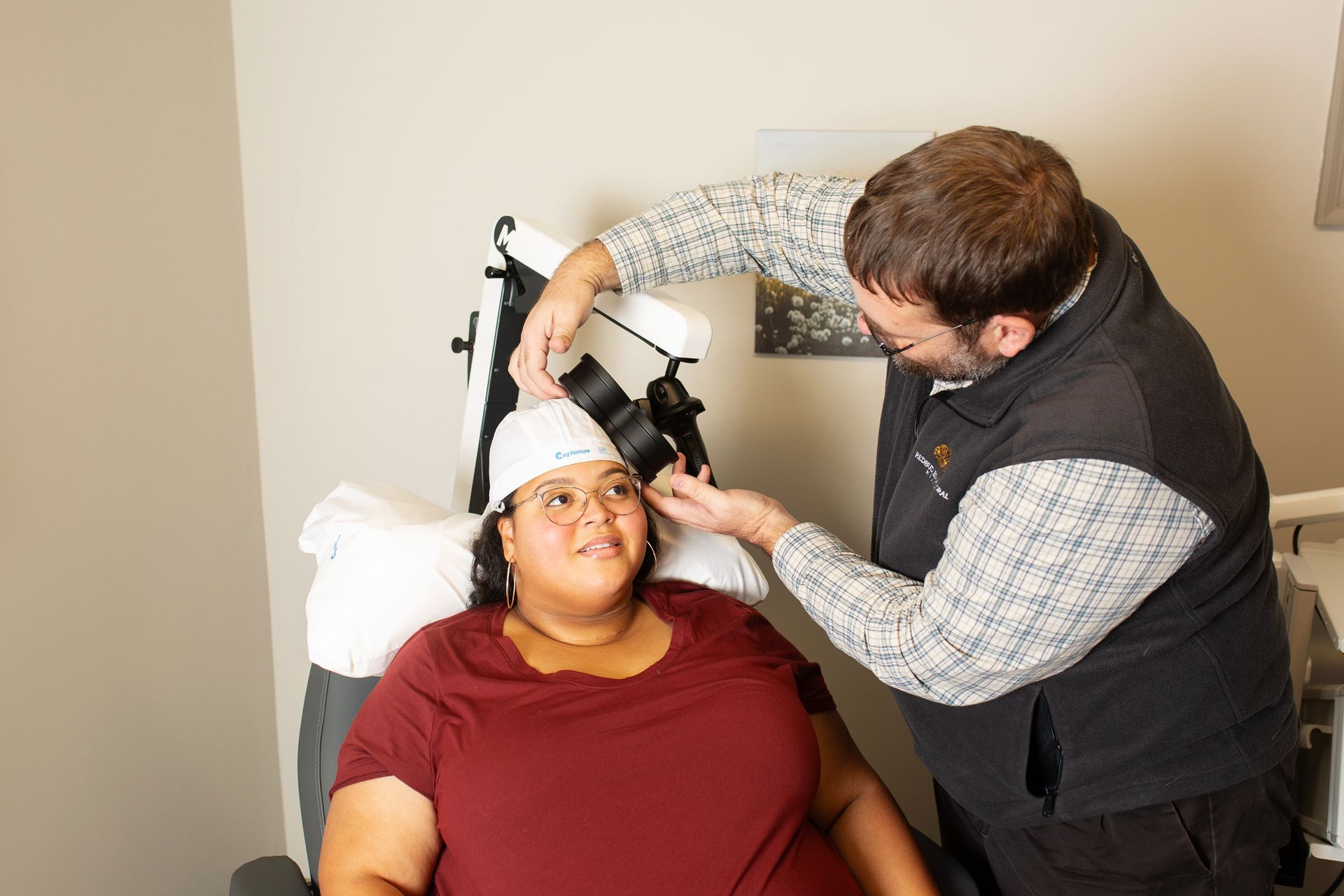
Quick Overview: Is TMS Right for You? Transcranial Magnetic Stimulation (TMS) is a non-drug, non-invasive treatment for depression (including cases that haven’t fully responded to medication or therapy). Many patients improve with TMS, and it’s generally well tolerated - typical early side effects are mild scalp sensitivity or headaches. Standard TMS usually requires daily sessions over several weeks, while accelerated TMS compresses treatments into a short 5-day or even 1-day protocol for people who need faster results or have travel/time limits. What Redbud offers in Fredericksburg At Redbud Behavioral Health - a small, clinician-led practice in Fredericksburg -TMS is offered alongside psychotherapy, medication management, and Spravato (esketamine), so clinicians can tailor a multi-modal plan when appropriate. Redbud emphasizes a personal, evidence-based approach and direct access to your clinician. Redbud’s practice specifically highlights both conventional (insurance-eligible) TMS and Accelerated TMS (5-day or 1-day) as core differentiators. Conventional TMS vs. Accelerated TMS — the essentials Conventional TMS Typically delivered ~5 days/week for ~6–8 weeks (≈30–36 sessions). Often covered by insurance when strict clinical criteria are met, Redbud handles benefits checks and prior authorization when possible. Mapping + first treatment is required as part of the protocol. Accelerated TMS (aTMS) Condenses many short sessions into a short course (5-day protocol or a 1-day option for select cases). Attractive for patients who need faster results or can’t commit to 6–8 weeks of daily visits. Usually, self-pay (insurance rarely covers accelerated schedules). Candidates are screened for safety and fit. What to expect during treatment Initial visit/mapping: TMS requires an initial mapping and first treatment session to set parameters. Typical pricing and mapping details are published for transparency. Daily sessions: With standard TMS, you'll return most weekdays for repeated sessions; accelerated protocols involve multiple short sessions per day during a compressed timeframe. Side effects & safety: Generally well-tolerated. Rare seizure risk is screened for at intake; other early effects are usually mild. Redbud emphasizes safety screening and candidacy reviews.